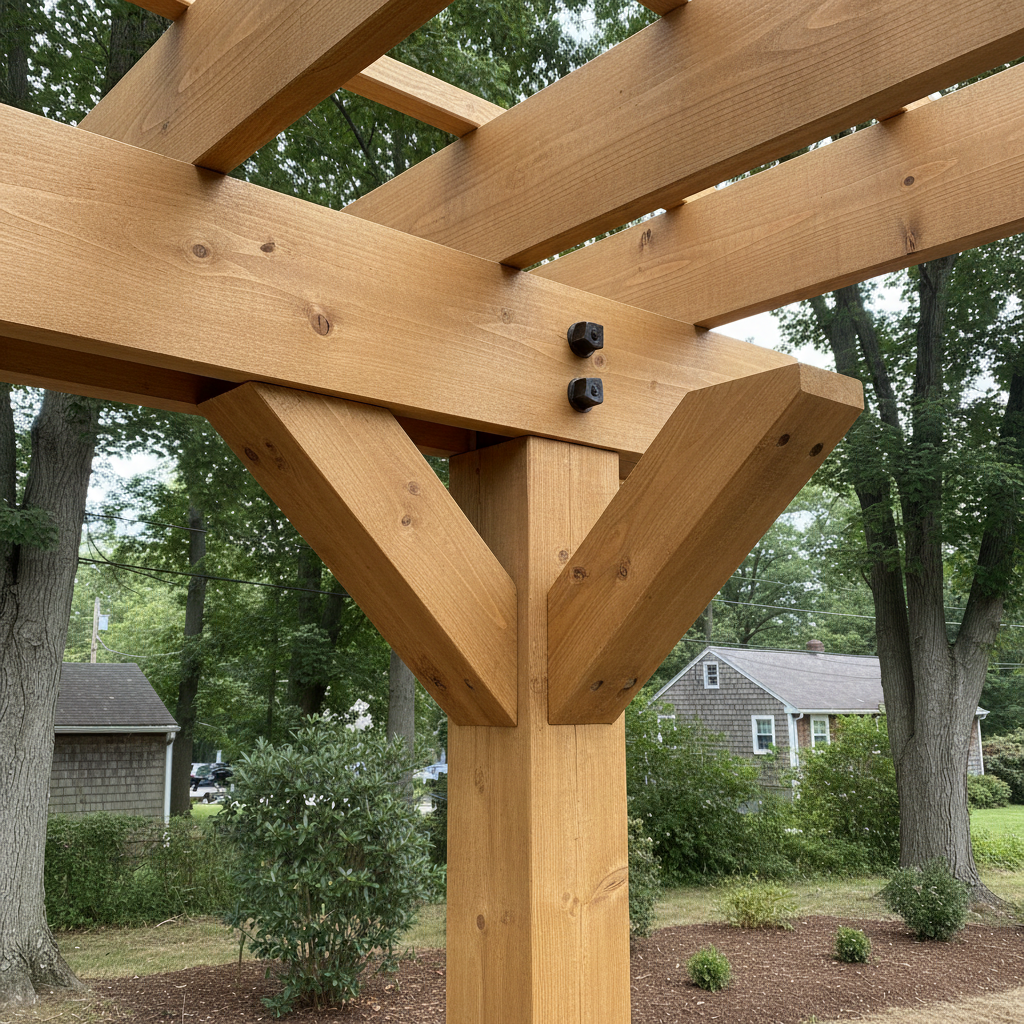
So, you are thinking about a pergola for your backyard here in Cranston? That is a great idea. A well-built pergola can really change an outdoor space. It gives you a nice spot for shade as well as a frame for climbing plants as well as a cool architectural feature that adds value to your home. But before you grab your tools, we will talk about what goes into building one. There is more to it than just sinking some posts.
Before You Even Start: The Planning Stage
This is where most DIY projects either succeed or get bogged down. Do not skip this part. Our team believes that a little planning saves a lot of headaches later.
Permits and Zoning: Do Not Get Caught Off Guard
First things first, permits are important. You might think a pergola is just a simple structure. The City of Cranston has rules and you have to follow them. Generally, if your pergola is attached to your house, it is almost certainly going to need a permit. This is true no matter the size of the pergola. Even freestanding pergolas, especially if they are over 200 square feet, often trigger permit requirements. You will also need to consider zoning setbacks. That is how far your structure needs to be from your property lines. In Rhode Island, municipalities usually require accessory structures to be 5 to 10 feet from rear and side property lines. This can vary by location. If you are in a neighborhood with an HOA, you will need their approval too. The safest bet is to call the Cranston Building Department early in the process. They can tell you exactly what you need for your specific pergola project. Penalties for working without a permit can be steep. They are sometimes $500 per violation. In addition, you might have to tear down what you have built.
Location, Location, Location
You need to think about where you are putting this pergola. You want to think about sun exposure throughout the day. A pergola that gives you shade at 10 AM but leaves you baking in the western sun during dinner is not doing its job. Consider how it connects to your existing outdoor spaces. You want it to flow naturally. In addition, check your yard's drainage. Putting a pergola in a low-lying area where water pools is a recipe for disaster. This can lead to rot as well as shifting foundations. All Things Decks has seen plenty of yards in Cranston. This includes the historic homes in Edgewood as well as the newer developments near Garden City. Every plot has its quirks. Make sure you know yours before starting your pergola project.
Design and Materials: What Is It Made Of?
Pergolas typically stand 8 to 10 feet tall. Going too low can make it feel cramped. Going too high means it will not give you much shade. For materials, you have options. These include wood as well as vinyl as well as aluminum as well as steel. Wood, like pressure-treated lumber, is popular. It can be stained to match your house. However, it needs regular maintenance. Aluminum and vinyl are lower maintenance. They might cost more upfront. Here at All Things Decks, we consider our humid summers as well as snowy winters when picking materials. We also design structures that last for Cranston homeowners.
During Construction: DIY or Call a Pro?
This is the big question for your pergola project. A basic pergola kit might seem simple. However, there are important steps where mistakes can cause big problems later on.
Foundations: Dig Deep, Cranston!
This is probably the most important part, especially here in New England. Our freeze-thaw cycles mean you have to get your footings right. The frost line in Cranston is typically 40-44 inches deep. Your post foundations need to extend below that. This helps prevent frost heave. Frost heave can lift and damage your structure over time. If you are pouring concrete piers, they should be at least 18-20 inches in diameter. They also need to be deep enough to get below that frost line. Undersized or shallow footings are a common DIY mistake. This compromises the stability of your pergola.
If you are anchoring to an existing concrete patio, it needs to be a solid, crack-free slab. This slab should be at least 4 inches thick. Pavers set on sand will not work for this. For decks, the deck itself needs to be supported by concrete footings below the frost line. This handles the added weight of the pergola. You will want to anchor posts directly to the deck's joists as well as beams. Do not just anchor them to the surface boards.
Framing It Up: The Bones of Your Pergola
Once your foundations are solid, it is about getting the posts as well as beams as well as rafters level and secure. Posts supporting big spans should be at least 6x6. Beams should not exceed 12 feet without extra support. Using beams that are too thin or not spaced correctly can lead to sagging. This can also lead to structural issues. This is where precision matters for your Cranston pergola. An out-of-level post or beam can make the whole structure look off. It can also weaken it over time. You will also need proper hardware to secure everything. This is especially true if it is attached to your house.
Most DIY kits are designed for two or three people to assemble over a weekend. This assumes you have basic power tools. But if you are not comfortable with measuring as well as cutting as well as squaring as well as anchoring, this is definitely a point where a professional can save you a lot of grief. A professional can also make sure it is built to code in Cranston.
When to Call in the Pros
All Things Decks is all for homeowners tackling projects. However, sometimes it is smarter to bring in someone with experience. If your pergola is large, which is over 200 square feet, you might need engineered drawings. This means a structural analysis. This is also true if it is attached to your house or has a solid roof. If your site is sloped, a pro can handle those challenges. This also applies if you have poor drainage or are dealing with complex anchoring. While a basic DIY kit might cost $1,500-$6,000 for materials, a contractor-built one in our Cranston area could run $5,000-$15,000+. This depends on the size as well as materials. That extra cost covers expertise as well as proper permitting. It also covers knowing it is built right. This ensures it will last through our tough Rhode Island weather.
After It Is Built: Keeping Your Pergola Looking Good
You have put in the work, or paid someone to do it. Now you want to protect your investment in your Cranston pergola.
Regular Maintenance Is Key
Pergolas are not maintenance-free. Regular cleaning is important. Hose it down to remove dirt as well as debris. This is especially important after a storm. For wood pergolas, you will need to reapply a protective sealant or stain every few years. This prevents weathering as well as fading as well as rot. Our climate, with its humid summers as well as snowy winters, means wood needs that extra protection. Check fasteners regularly. Tighten any that have loosened. If you have climbing plants, keep them trimmed. This prevents them from putting too much weight on the structure. It also prevents them from blocking airflow.
If you see mildew or stains, a mix of bleach and water can help. Oxygen bleach and vinegar work for tougher spots. Catching small issues early prevents them from becoming big, expensive problems for your pergola in Cranston.
Building a pergola can be a rewarding project. It gives you a beautiful new outdoor space. Just make sure you do your homework. Understand the local requirements here in Cranston. Be honest about what you can realistically tackle yourself. If you need a hand, or just want to talk through your ideas, All Things Decks is here to help.